



















Which dog breeds are recommended for a deShedding tool?
Some breeds have coat textures that vary between individual dogs. These breeds are noted with an asterisk(*). Not all dogs in these breeds shed. If your dog sheds, the FURminator deShedding Tool will work on your dog.
- What is an undercoat? A dense, fluffy layer beneath the topcoat that regulates body temperature, protects from cold, heat, and moisture.
- Why remove loose undercoat? Regular removal prevents matting, improves skin ventilation, reduces parasite risks, and supports temperature regulation – especially in summer.
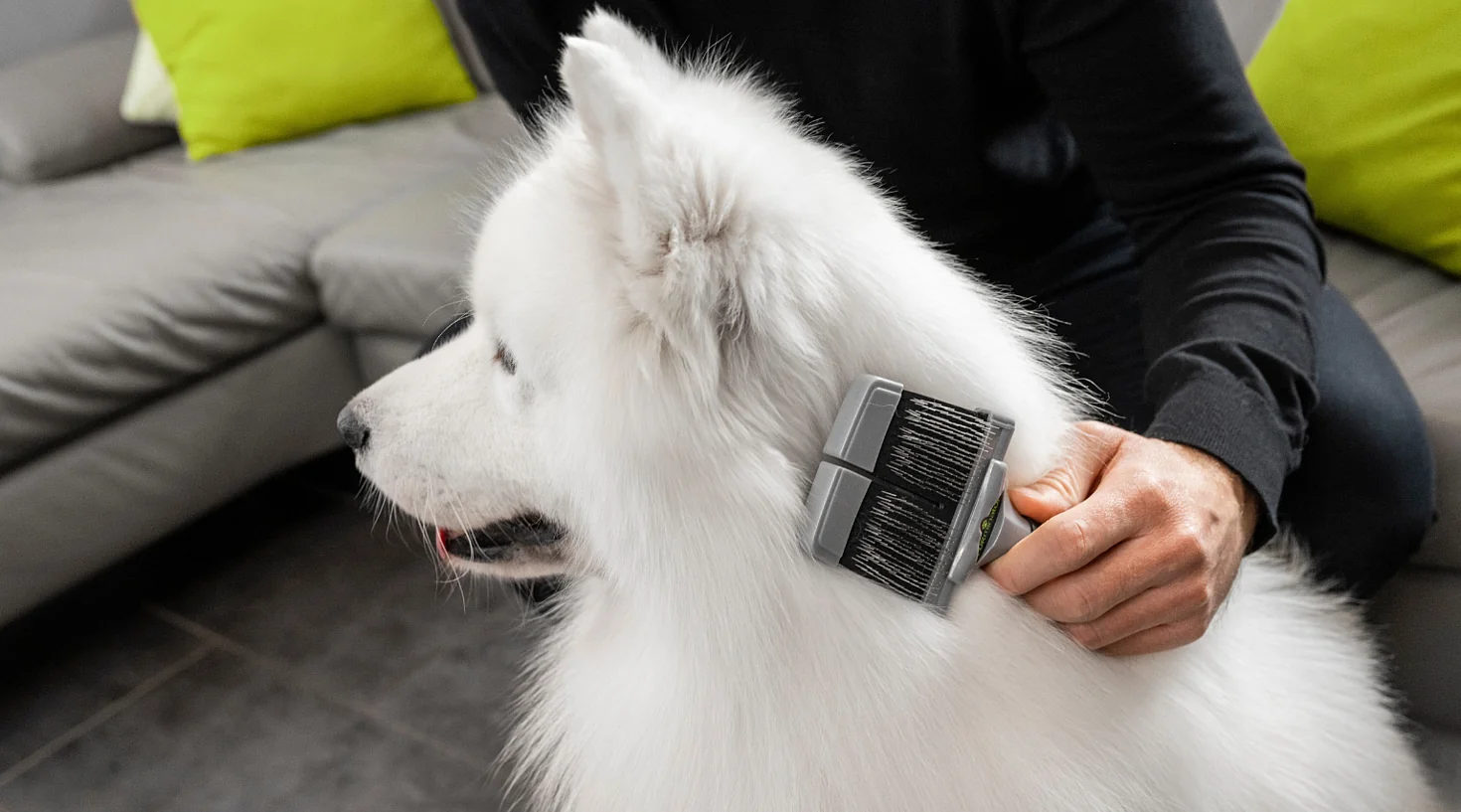
- Take extra care around the back, flanks, ears, chest, and neck to ensure grooming is comfortable for your dog. Breeds with a dense undercoat – such as Golden Retrievers, Huskies, or German Shepherds – benefit especially from regular use of a FURminator® deShedding Tool, which removes loose undercoat without damaging the topcoat.
- Find your breed: Below, you’ll find a list of dog breeds suitable for deShedding.
Breeds A-Z
American Eskimo Dog
American Pit Bull Terrier*
American Staffordshire Terrier
Alaskan Klee Kai
Australian Shepherd Dog
Akita (long haired)
Alaskan Malamute
Australian Cattle Dog
Airedale Terrier
Akita (short haired)
Australian Kelpie
Anatolian Shepherd
Belgian Griffon*
Boston Terrier
Border Collie
Belgian Shepherd
Beagle*
Bernese Hound
Basset Hound
Blue Heeler
Brittany Spaniel*
Belgian Tervueren
Belgian Malinois
Bernese Mountain Dog
Cavalier King Charles Spaniel
Cardigan Welsh Corgi
Cocker Spaniel
Chow Chow*
Collie (smooth)
Clumber Spaniel
Collie (rough)
Canaan Dog
Cane Corso
Catahula Leopard Dog
Chesapeake Bay Retriever
Chinook
Dachshund (short haired)*
Doberman Pinscher*
Deerhound
English Toy Spaniel
Eskimo Dog
English Springer Spaniel
English Setter
English Mastiff
French Mastiff
Field Spaniel
Finnish Spitz
Flat-Coated Retriever
German Shepherd (long haired)
Golden Retriever
Giant Schnauzer
Gordon Setter
German Shepherd (short haired)
Great Pyrenees
Greater Swiss Mountain
Harrier Beagle
Hovawart
Irish Terrier
Irish Setter
Irish Wolfhound
Jack Russell Terrier
Keeshond
Kai Dog
Kuvasz
Landseer
Lakeland Terrier
Labrador Retriever
Leonberger
Miniature Schnauzer
Munsterlander (small)
Mittelspitz
Munsterlander (big)
Mastino Napoletano
Norwich Terrier
Nova Scotia Duck-Tolling Retriever
Norwegian Elkhound
Newfoundland
Neapolitan Mastiff
Pug
Parson Jack Russell Terrier
Pembroke Welsh Corgi
Rat Terrier
Rottweiler
Silky Terrier*
Shetland Sheepdog
Schipperke
Shiba Inu
Standard Schnauzer
Sussex Spaniel
Shar Pei*
Siberian Husky
Serbian Hound
Saint Bernard
Scottish Deerhound
Tibetan Mastiff
Welsh Terrier
West Highland White Terrier
White Swiss Shepherd
Welsh Springer Spaniel
Weimaraner (long haired)
Wirehaired Pointing Griffon
* Some breeds have coat textures that vary between individual dogs. Not all dogs in these breeds shed. If your dog sheds, the FURminator deShedding Tool will work on your dog.
If your dog breed is not listed above, please check the breeds that we do not recommend for using a deShedding tool.
What is an undercoat?
Undercoat is a dense, fluffy layer of fur that protects many dogs from the cold. Together with the top coat, it forms the ‘double coat’ and helps to regulate body temperature. While it protects against the cold in winter, it also ensures that dogs do not overheat in hot weather and that moisture is repelled. The dense structure of the undercoat makes it an indispensable part of coat care, which should not be forgotten for dogs with this type of coat.
Why is it important to remove loose undercoat?
Removing loose undercoat is an essential part of coat care for dogs with double-layered coats. If loose undercoat is not removed regularly, this can lead to matting, which disrupts the ventilation of the skin and makes it more difficult to detect parasite infestation.
A well-groomed undercoat is particularly important in summer as it supports natural air circulation and helps your dog to regulate its body temperature. Regular grooming – for example with a special brush or comb for dogs with undercoat such as the FURminator® Undercoat deShedding-Tool– not only contributes to a healthy coat, but also significantly improves the well-being of your four-legged friend.
How do you remove loose dog undercoat correctly?
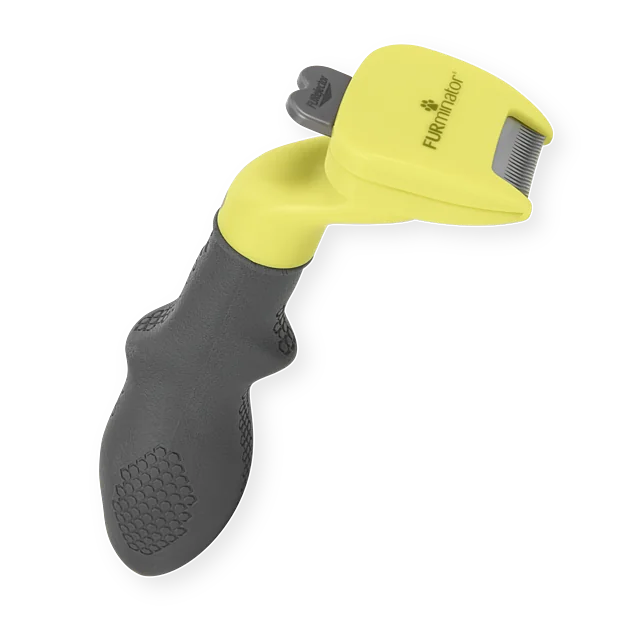
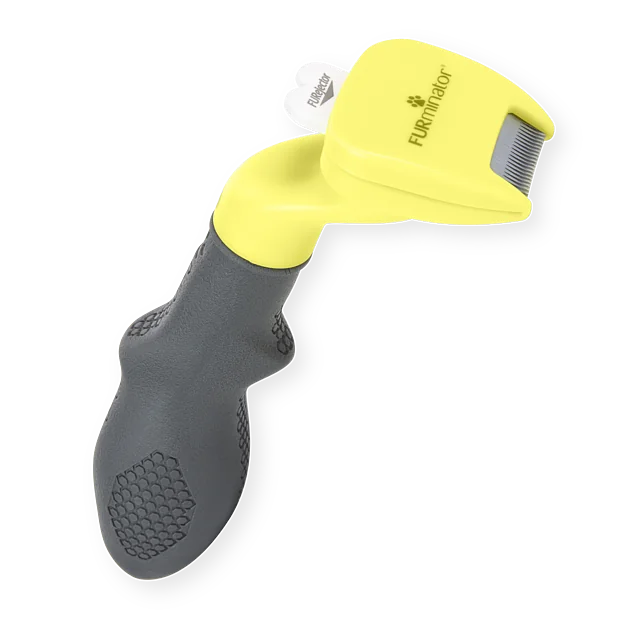
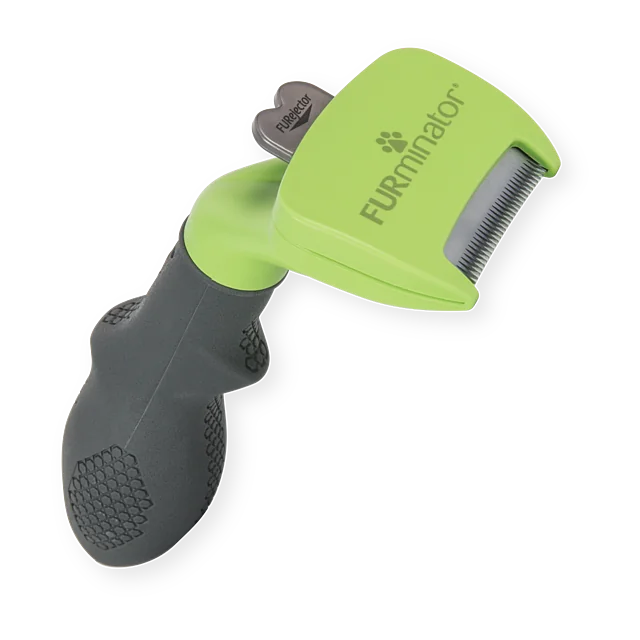
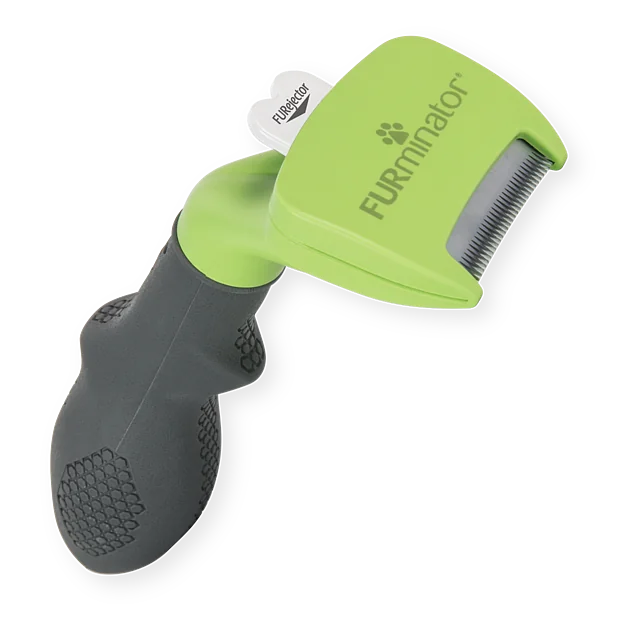
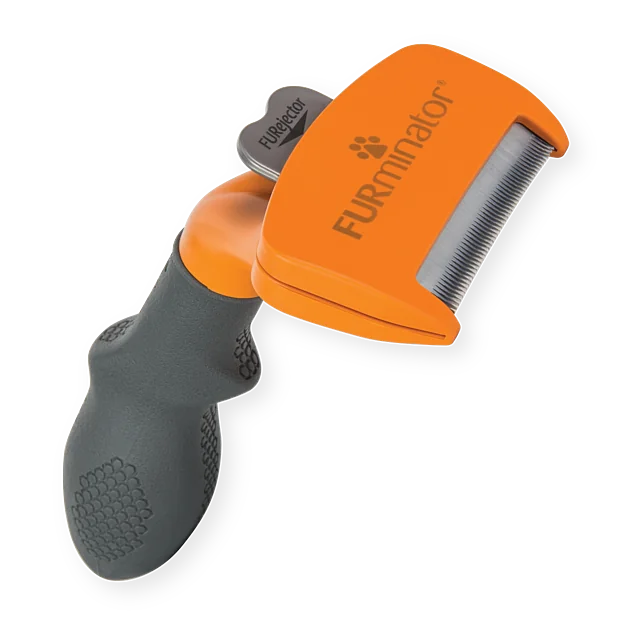
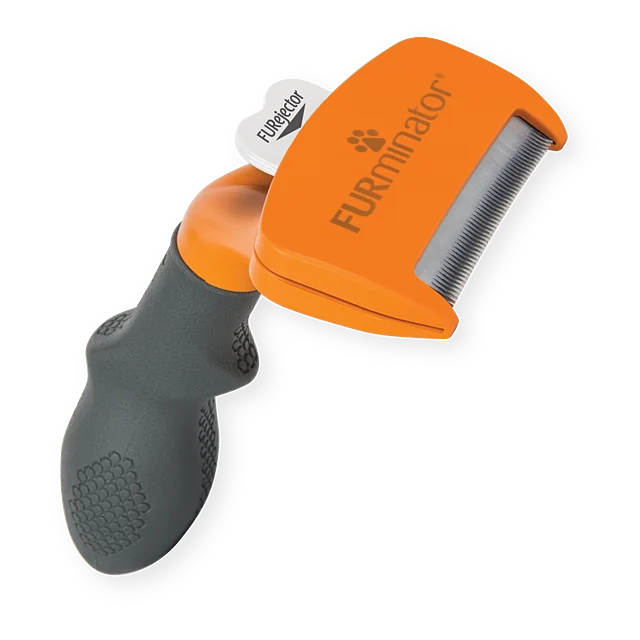
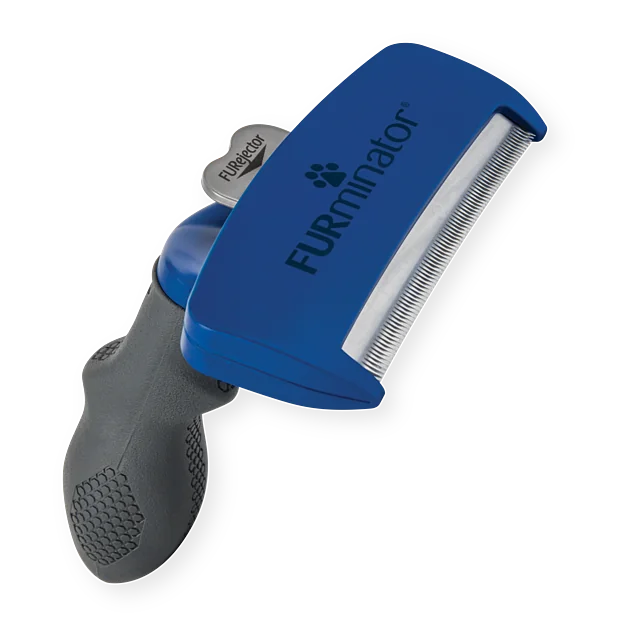
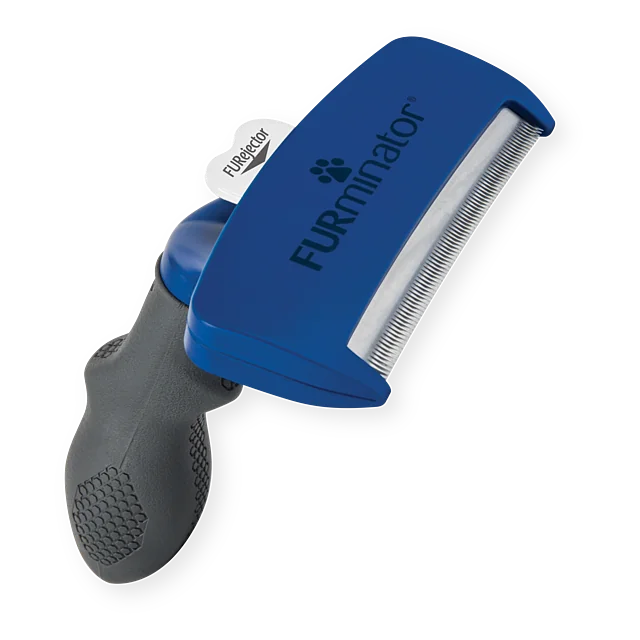
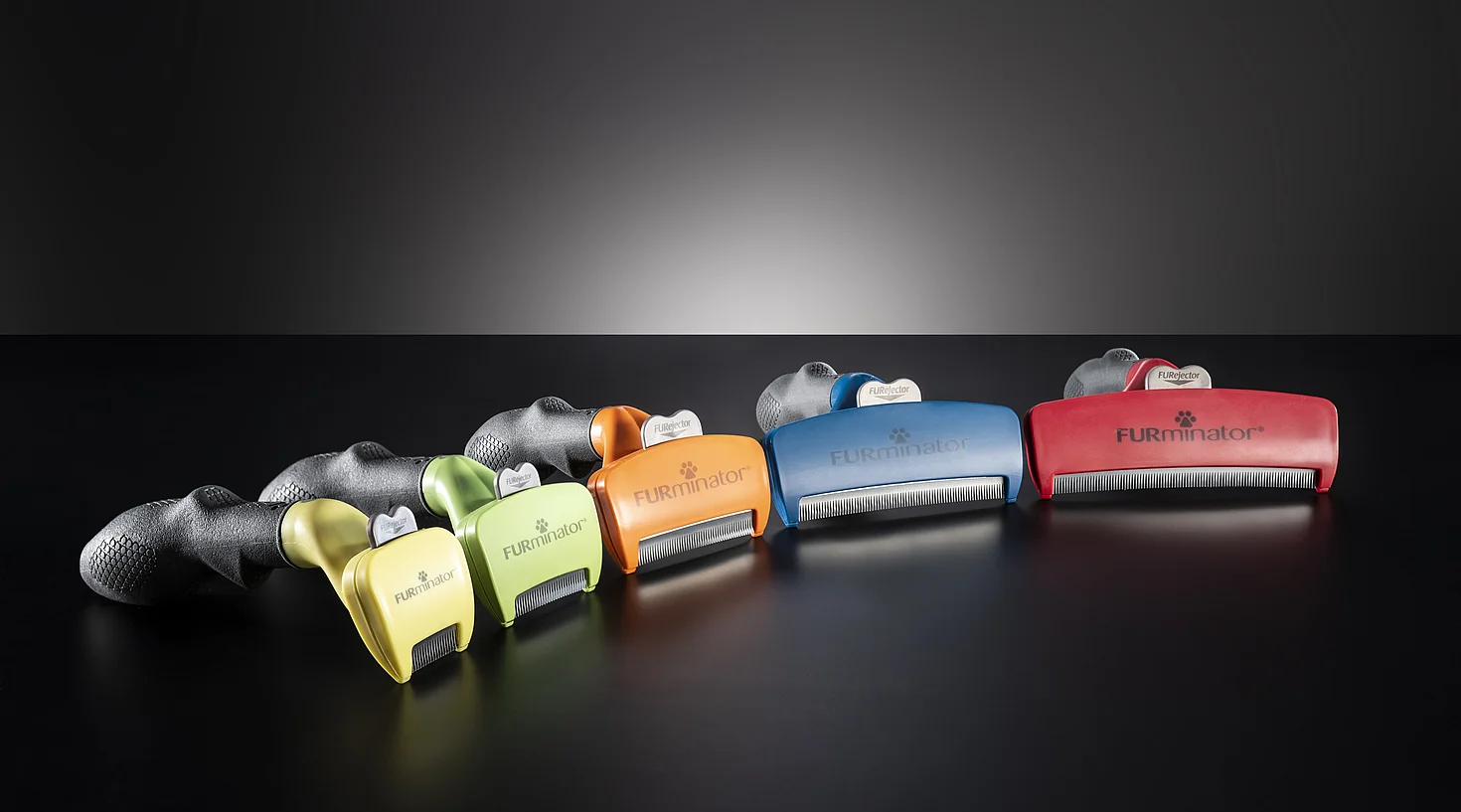
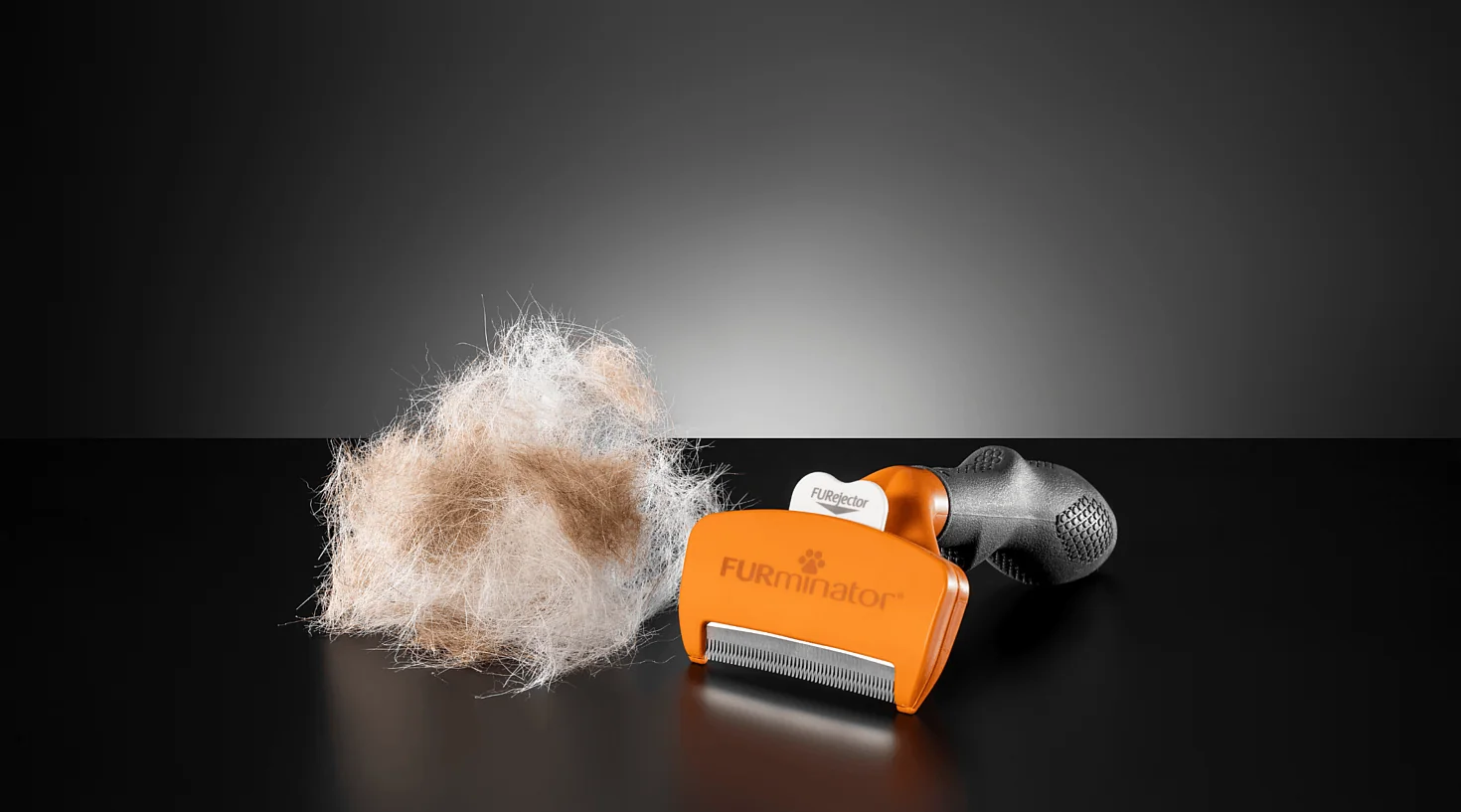
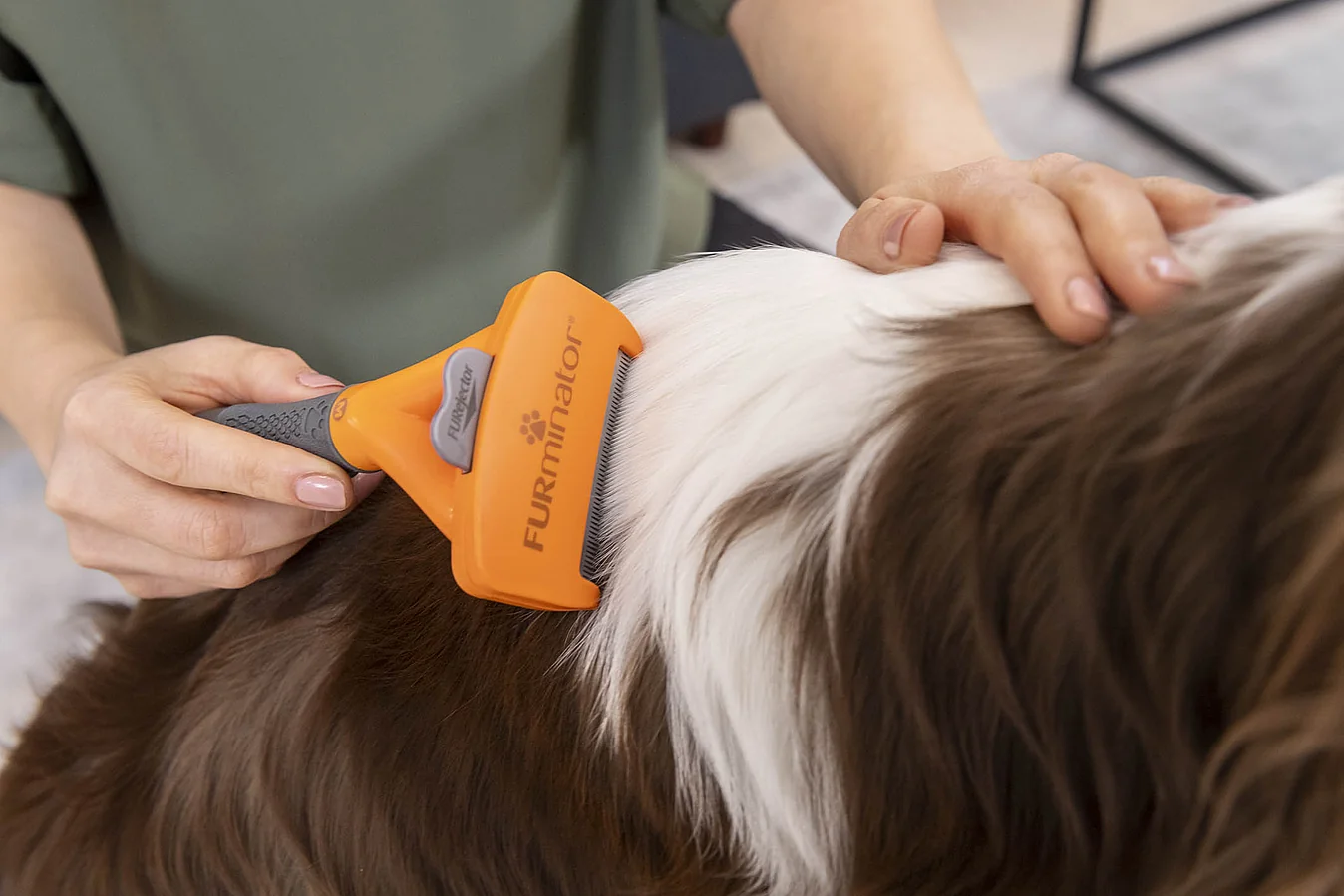
The right tool can remove loose undercoat effectively and gently. The FURminator is particularly suitable as it removes loose undercoat without damaging the top coat. It is important to match the tool to your dog's coat type, as there are different models for long-haired and short-haired dogs.
Tips for correct use:
- For long coats: part the coat and brush in sections from root to tip. This will give you thorough results without the brush getting stuck.
- Coat spray: A nourishing spray makes the coat supple and makes brushing easier – especially for sensitive dogs.
- Prepare the top coat: For long-haired or wire-haired dogs, brush the top coat first to prevent undercoat from getting caught in it.
You should take particular care with sensitive areas such as the back, flanks, hanging ears, neck, chest and loin area. Regular grooming ensures that your dog not only looks well-groomed, but also feels comfortable.
Conclusion:
Well-groomed undercoat - a must for your dog's well-being
Undercoat care is an essential part of dog grooming for breeds with double-layered coats. With a suitable tool such as the FURminator, you can effectively remove loose undercoat and thus prevent matting and skin problems. Regular brushing makes it easier to detect parasites or skin changes caused by them. Especially in summer, a well-groomed undercoat supports natural air circulation, which makes it much easier for your dog to regulate its temperature.
Regular grooming not only improves the health and appearance of the coat, but also contributes to your dog's well-being. Remember that every coat care programme should be tailored to the individual needs of your four-legged friend. This will keep your dog healthy and happy!