




















Help, my dog doesn’t like being groomed!
As a dog owner, you know how important grooming is to your dog’s health. Time spent grooming your dog can also help strengthen the bond between you and can help you to relax, but sometimes dogs aren’t so keen on the idea.
- Build a routine: Pets thrive on habits – introduce grooming gradually at a calm, quiet time each day to make it predictable and stress-free.
- Positive introduction: Let your pet sniff the brush, start with areas they enjoy being touched, and keep sessions short at first.
- Use treats wisely: Reward calm behaviour with treats, then slowly replace them with praise and affection to reinforce grooming as a positive experience.
- Choose the right tool: Match brushes or combs to your pet’s coat type – combs for tangles, slicker brushes for loose fur, soft bristles for a smooth, shiny finish.
- Strengthen your bond: Regular, gentle sessions build trust, deepen your bond and help your pet associate touch with comfort and affection.
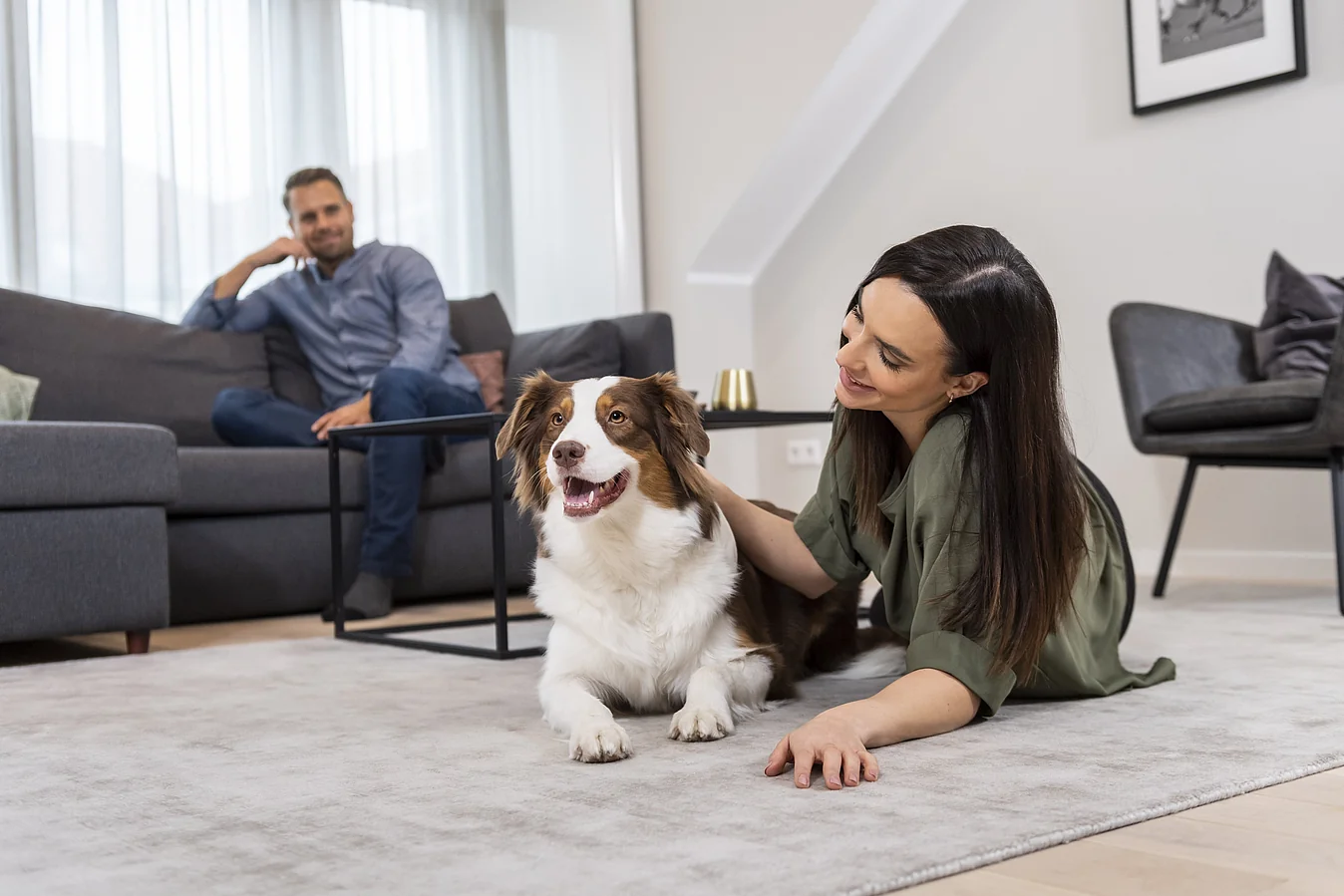
Why grooming can strengthen the bond with your dog
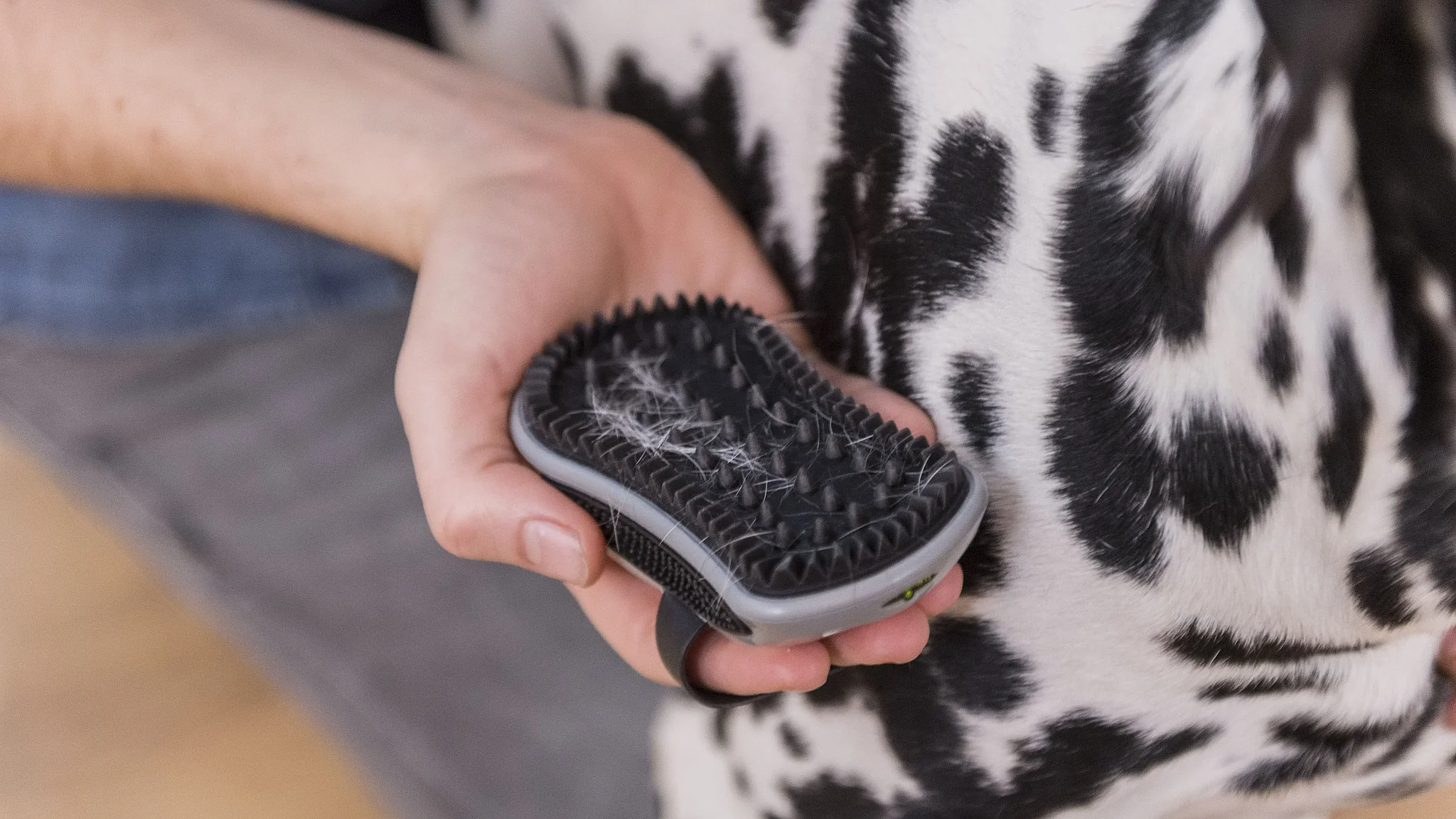
Grooming is much more than just coat care: it’s a moment of closeness, trust and connection. When you gently brush your dog, you’re not only caring for their coat and health but also showing affection through touch. Over time, your dog learns that this quiet time together means safety and love.
These shared moments help you understand your dog better: every reaction, every relaxed sigh tells you something about how they feel. The calm rhythm of brushing can soothe both of you, easing tension and creating a peaceful ritual you both look forward to. What begins as a simple routine becomes an act that deepens your bond and strengthens the trust between you.
Establishing a grooming routine
Dogs are creatures of habit. They thrive on routine and need stability and predictability in their lives, so the sudden introduction of a new grooming routine can often take them by surprise. The key to introducing any new routine is consistency. Start by allocating a small amount of time every day to grooming your dog. Pick a quiet time of day, when family aren’t around and when your dog is calm and relaxed. Avoid grooming too close to mealtimes or walk time for example, as your dog could become anxious or distracted.
Start by stroking your dog to make them feel relaxed and comfortable. Let your dog sniff the brush you intend to use, so that they can start to identify with it and understand that their smell is associated with it. Then, softly, start to groom them in an area they like to be stroked. Avoid starting with the tummy or abdomen area, as a lot of dogs don´t enjoy being touched there unless they are relaxed and feel safe, as they may find it threatening. Grooming can be just a few minutes at first, or however long your dog will tolerate. Keep going back to them with the brush, to show them that this is a normal routine and that you don’t mean them any harm.
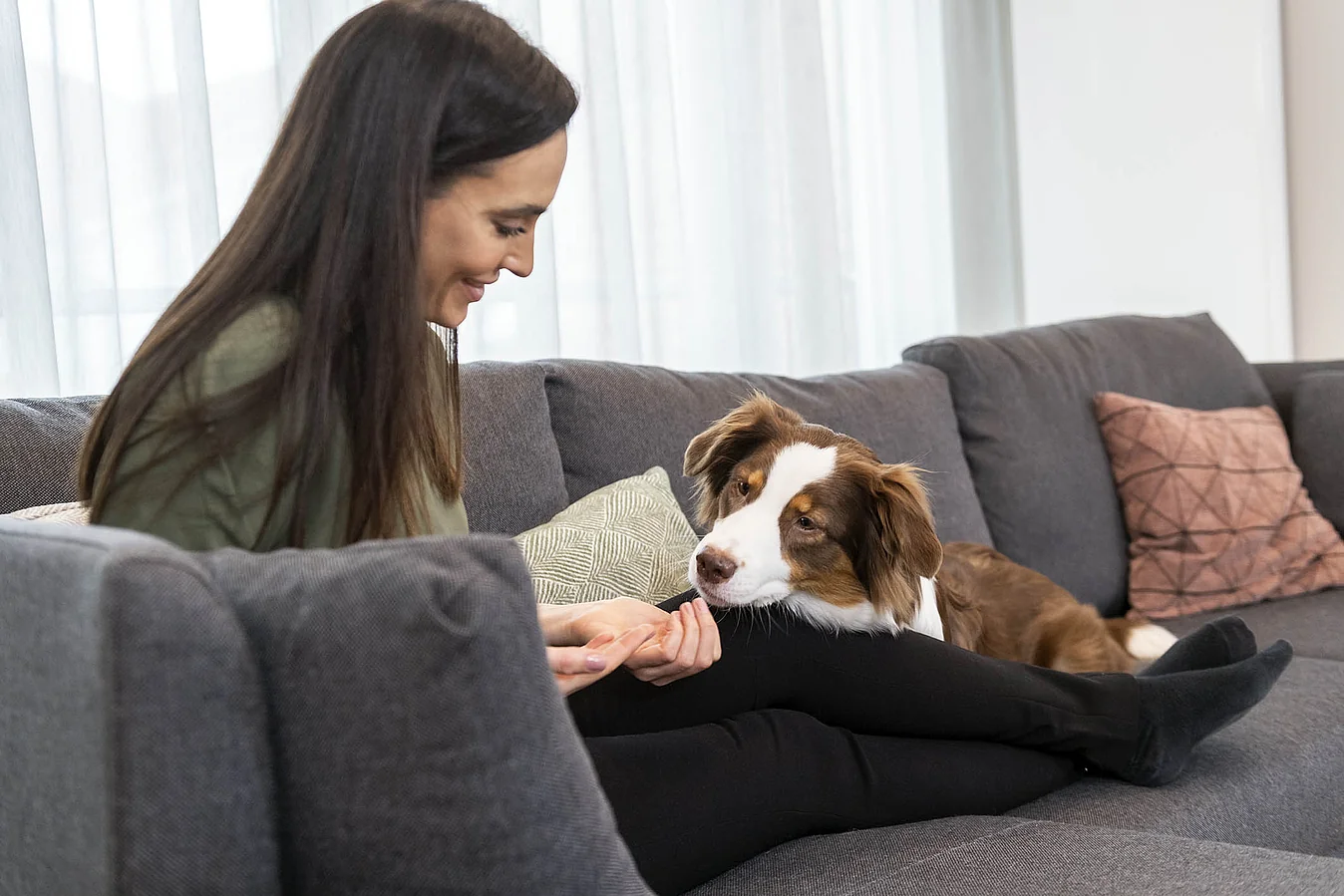
Work in a treat
If your pet is particularly suspicious of the grooming process, or if you’re trying to train a puppy or kitten to accept grooming, treats can be particularly useful when it comes to reinforcing positive behaviour. If your pet starts to understand that they’ll get a treat if they’ve had a grooming session, the idea will start to become more appealing for them.
Eventually, you can substitute the treat for lots of stroking, attention and calm praise.
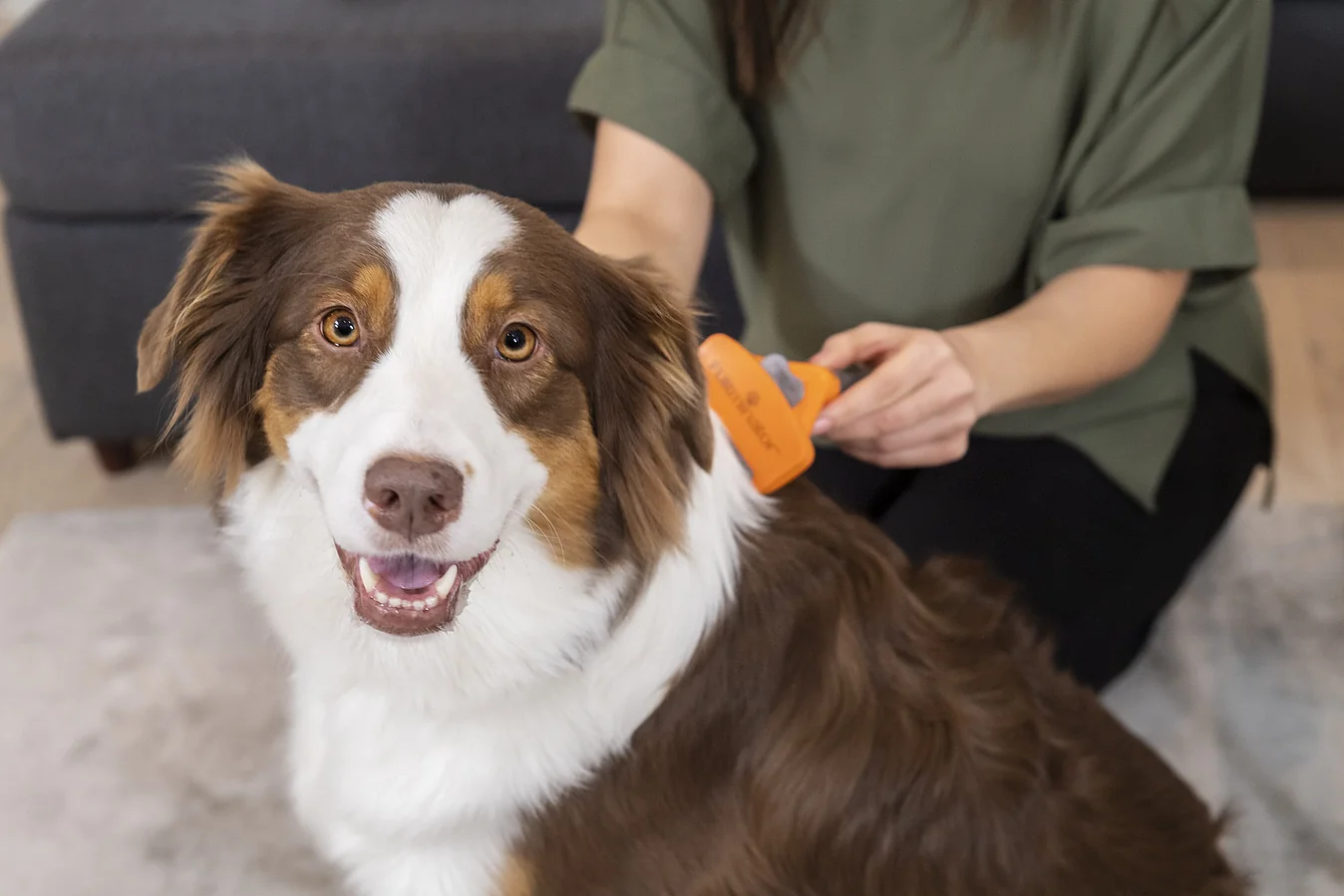
Choose the right tool
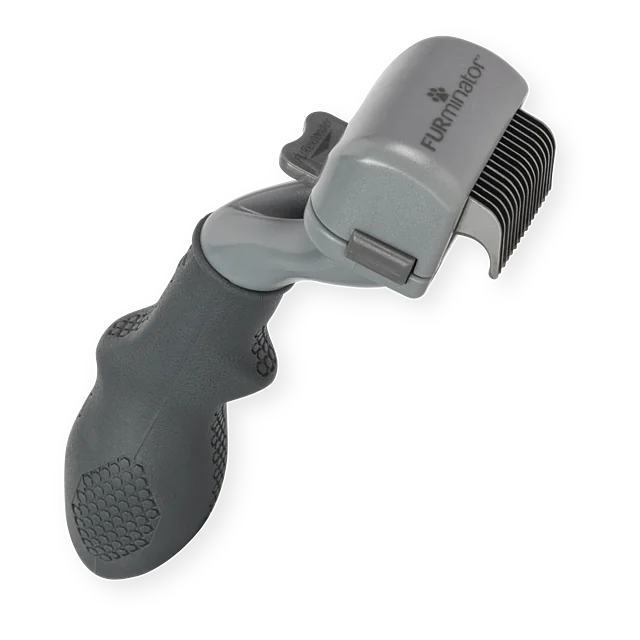
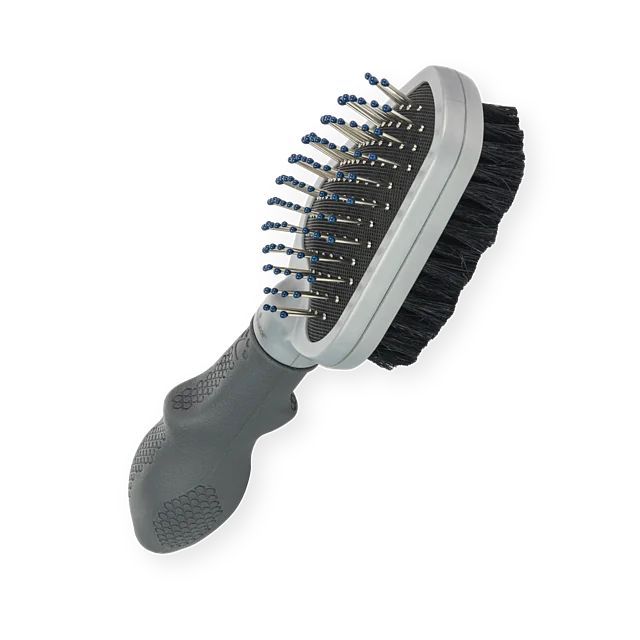
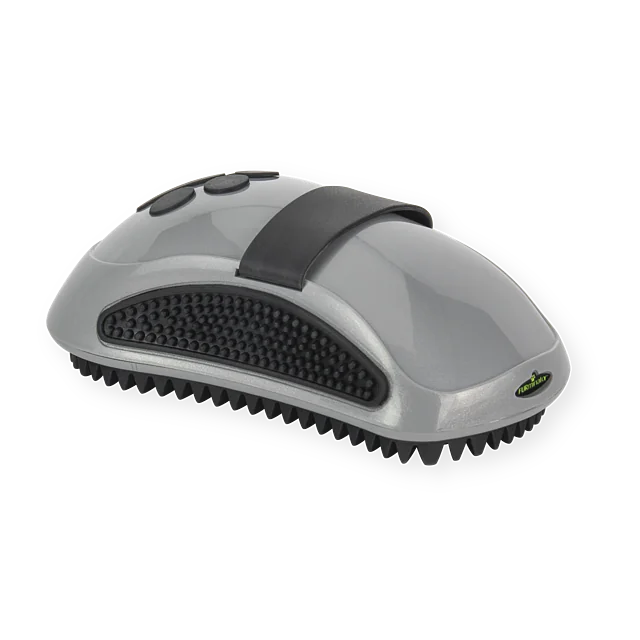
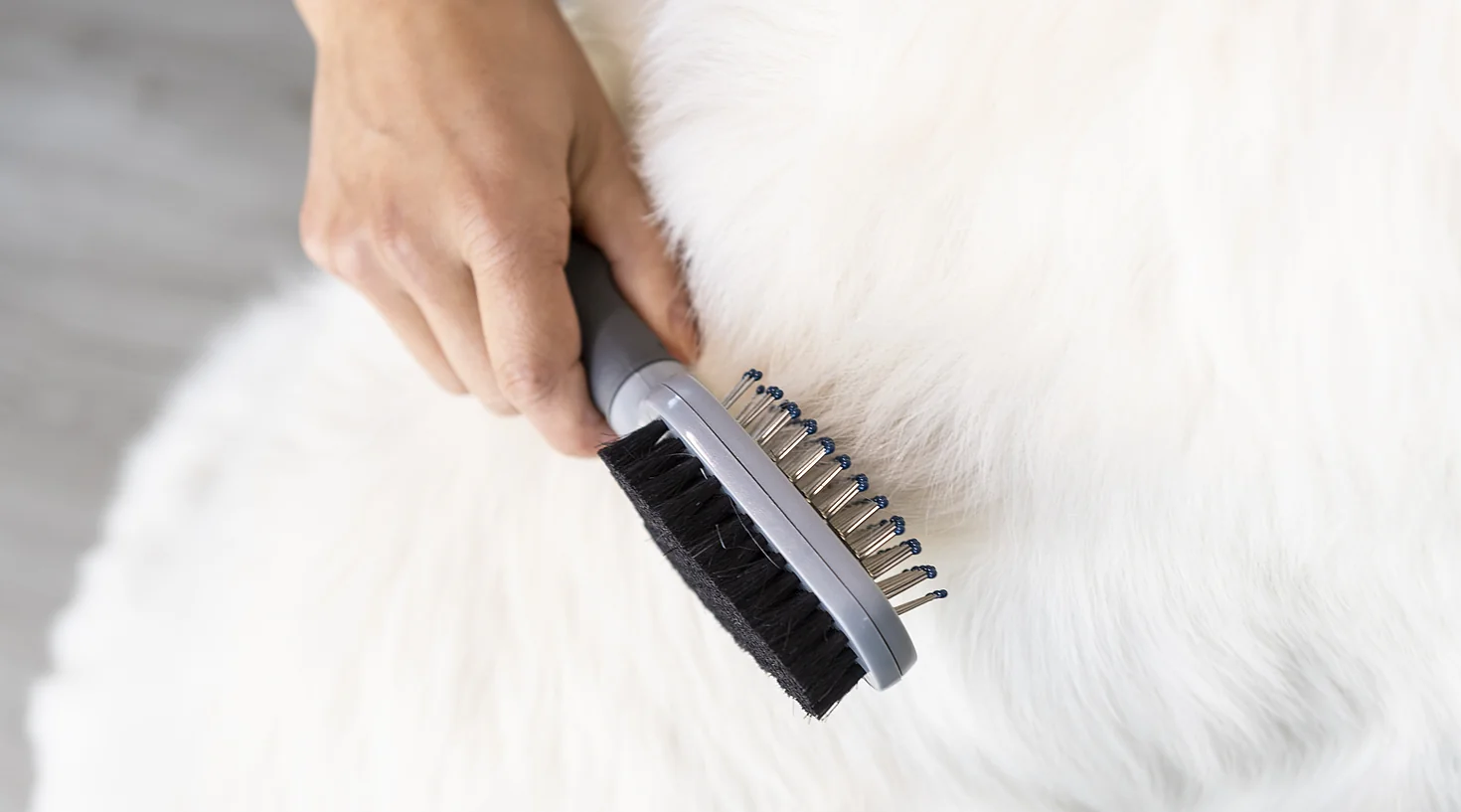
It’s important to choose the right grooming tool when it comes to brushing your dog. They may prefer a softer or more firm brush. If your dog has very long hair, you may need to use a comb first to find and release any mats or tangles in their fur before moving on to a brush.
Grooming brushes come in all different shapes and sizes, so carefully choose which one will best suit your dog’s size, fur type and temperament.
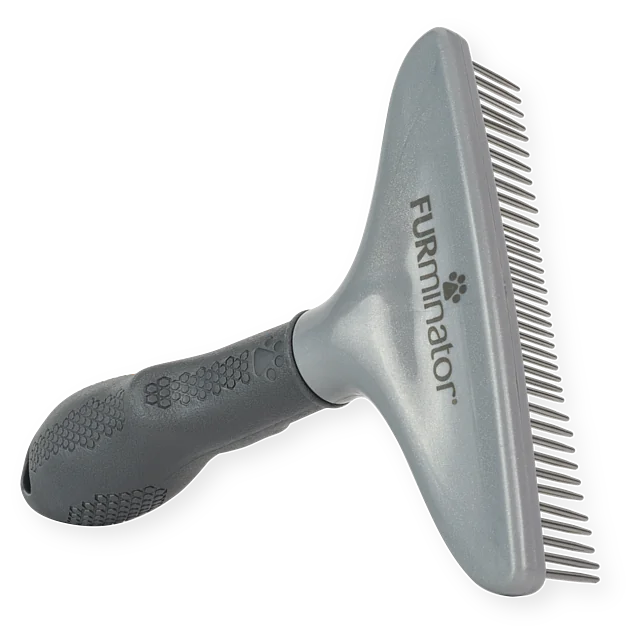
There are also different grooming tools for different tasks. Combs will help to detangle your dog’s fur, while slicker brushes will help to remove excess fur. Soft bristle brushes can also be used for finishing, making your dog’s coat smooth and shiny to help keep them looking their best.
How to groom your dog
Firstly, choose a brush that’s the right size and texture for your dog. Then, starting at your dog’s head, gently stroke the brush down the body towards the tail in the direction that the fur grows. Take care not to brush too hard as this can damage your dog’s skin. Brush the chest and abdomen last and take particular care in this area as the fur can be thinner and the skin more sensitive.
If your dog has very long hair, you may need to use a comb or grooming rake to find out and release any tangles or mats before brushing through the rest of the coat. Some dogs take to grooming more easily than others. If your dog isn’t too keen on being groomed, check out our tips on how to introduce a daily grooming routine.